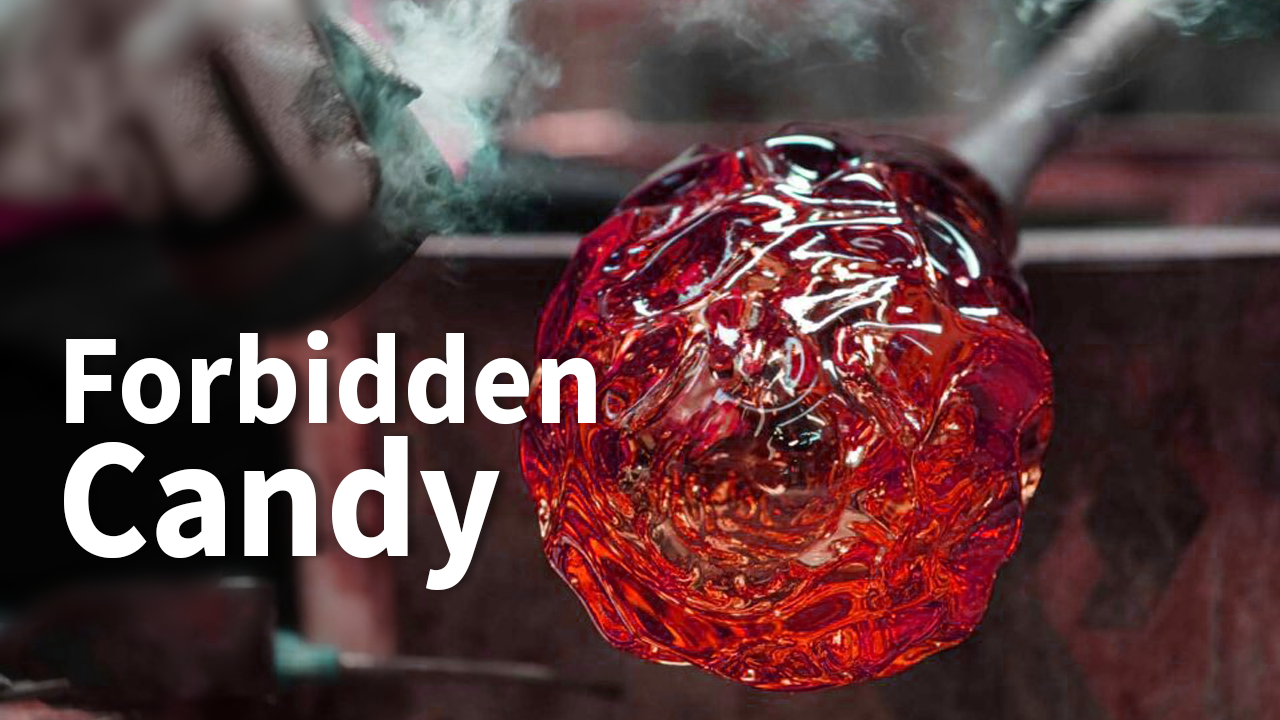
Glass-making is based on an ancient recipe. For thousands of years, humans have been melting sand to create something entirely new. But while the fundamental ingredients haven't changed much since antiquity, the way we manufacture glass today is a completely different story.
Let's take a look at the modern manufacturing process of glass making and how current technologies have transformed this ancient craft into a high-tech marvel.
1. The Ancient Recipe (With a Modern Twist)
Before we get to the machines, we have to start with the mix. The recipe for standard commercial glass (like the kind in your windows or jars) is surprisingly simple:
- Silica Sand: The main ingredient and the structural backbone of the glass.
- Soda Ash: Sand needs immense heat to melt. Soda ash lowers that melting point, saving massive amounts of energy.
- Limestone: This makes the final glass durable and stops it from dissolving in water.
- Cullet (Recycled Glass): This is the modern twist. Today’s glass factories rely heavily on crushed, recycled glass. It melts at a lower temperature than raw sand, significantly cutting down on both energy use and carbon emissions.
2. The Modern Manufacturing Process
Once the recipe is gathered, the process shifts from ancient chemistry to cutting-edge engineering. The modern glass-making process is a continuous, 24/7 loop of extreme heat, robotics, and artificial intelligence.
Step 1: Automated Batching
There is no manual measuring here. In a modern "batch house," giant silos hold the raw materials. Computer systems automatically weigh, mix, and feed the exact right ratio of sand, soda ash, limestone, and cullet onto conveyor belts, sending a continuous stream of material toward the fire.
Step 2: High-Tech Melting
The mix enters a massive furnace where the real magic happens.
- The Heat: The materials must be heated to around 1700°C (3090°F) to become a glowing, molten liquid.
- The Tech: Instead of just blasting natural gas, modern furnaces often use gas-oxy combustion, pumping in pure oxygen to burn the fuel much cleaner. Today's furnaces are also lined with smart sensors that monitor the temperature and fluid dynamics in real-time, sending data back to a central control room to ensure a perfect melt.
Step 3: Shaping the Glass
How the molten glass is handled next depends on what it is going to become. The two most common modern methods are:
- The Float Process (For Flat Glass): If you are making windows or screens, the molten glass is poured continuously out of the furnace and onto a shallow, perfectly flat bath of molten liquid tin. The glass floats on top of the tin, spreading out into a flawless, uniform sheet.
- Automated Molding (For Bottles and Jars): If you are making containers, the furnace cuts the molten glass into precise, glowing blobs called "gobs." These gobs drop into metal molds at lightning speed. Instantly, automated blasts of compressed air force the liquid glass against the mold's walls, perfectly shaping a bottle in a fraction of a second.
Step 4: The Annealing Lehr
You can't just let hot glass cool down at room temperature—it will develop internal stress and shatter. Instead, the newly shaped glass is moved onto a conveyor belt that travels through a long, tunnel-like oven called an annealing lehr. This machine carefully and evenly drops the temperature of the glass over time, relaxing the molecules and giving the glass its final structural strength.
Step 5: AI Inspection
The days of humans visually checking every bottle or window pane are over. At the end of the manufacturing line, the glass passes through high-speed inspection stations equipped with machine vision and Artificial Intelligence. High-speed cameras instantly scan the glass for microscopic air bubbles, cracks, or dimensional flaws. If a piece of glass isn't perfect, the system automatically knocks it off the line, crushes it back into cullet, and sends it right back to the furnace to be melted down again.